

Experienced Kink-Friendly Therapy in NYC for All Lifestyles & Practices
Therapists who get kink, because many of us live it. No explaining yourself, no judgment, no pathologizing. Just real therapy from people who understand power exchange, BDSM dynamics, and alternative sexuality firsthand.
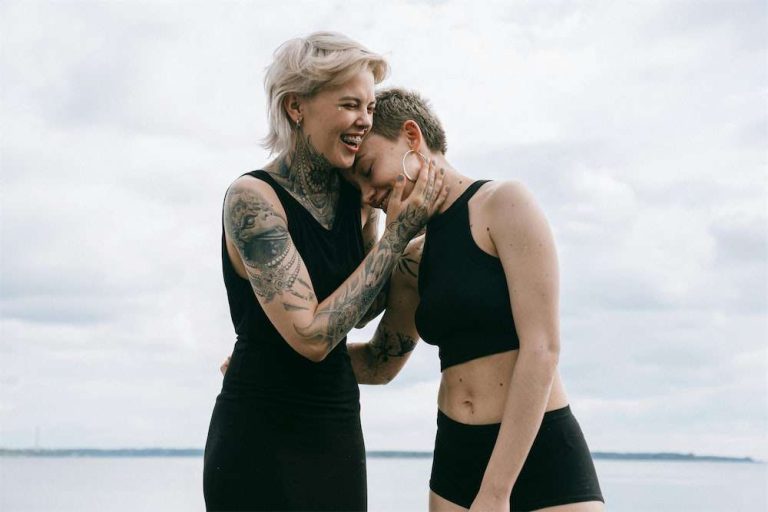
What Kink-Friendly Therapy Looks Like
If you’ve ever sat in a therapist’s office and had to explain what a scene is, or watched your therapist’s face change when you mentioned power exchange, you already know why kink-friendly therapy matters. Most mental health training doesn’t cover BDSM at all, which means a lot of well-meaning therapists end up pathologizing something that’s a normal part of who you are. Working with someone who gets kink means you can skip the 101 explanations and get to what brought you to therapy.
The real difference is that you won’t have to justify your kink identity before you can talk about the thing that’s bothering you. Trauma, relationship friction, shame you picked up somewhere along the way, figuring out what you actually want. We start from the assumption that your sexuality is fine and work from there.
What We Work On Together
Whatever brought you here, we’ve probably seen it before. None of it fazes us.
Kink Identity & Expression
Figuring out what you want, owning it, and feeling good about it.
Power Exchange
D/s dynamics, roles, and what comes up between scenes.
Shame & Stigma
The internalized messages about BDSM that got lodged somewhere deep.
Scene Negotiation
Communication, boundaries, and what to do when a scene goes sideways
Trauma & Kink
When past trauma intersects with your kink life and you need a therapist who can hold both
Relationships & Coming Out
Opening up about kink with partners, family, or yourself.
Safety & Risk
The line between edge play and too far, and what to do when it gets blurry.
Community
Finding your people and figuring out kink spaces on your own terms.
Kink-affirming therapy gives you a place to deal with what’s actually going on: shame that got lodged somewhere deep, trust issues in power exchange, the gap between what you want and what you feel allowed to want. We also offer sex therapy for when the issues are more specifically sexual. And if you’re coming in with trauma history that intersects with your kink life, we know how to hold both of those things without making you choose between them.









Meet Our Kink-Friendly Therapists
You’re trusting someone with parts of your life that most therapists don’t know what to do with. Our therapists are licensed (LCSW, LMHC, LMFT) and many are part of the kink and BDSM community themselves. They’re not going to pathologize your interests or treat them as something to work through.
Training and credentials
Our therapists hold clinical licenses (LCSW, LMHC, LMFT) and have completed additional training in sexual health, kink-aware practice, and trauma-specific modalities like somatic experiencing. Several have AASECT-informed training in sex therapy.
There’s a difference between a therapist who says “I’m sex-positive” and one who actually understands power exchange, negotiation, and the specific dynamics of BDSM relationships. Our team has worked with hundreds of clients on kink-related concerns: scene processing, shame, consent negotiation, D/s dynamics within relationships, and reconciling what you want with what you were taught to want. Across the team, we bring over 30 years of combined clinical experience in sex therapy, kink-aware care, and LGBTQ+ affirming practice.
Everyone on the team does ongoing continuing education in sexual health and kink-aware practice. The community evolves, clinical understanding deepens, and we stay current.
Kink-Affirming Therapy in New York City, From Therapists in the Community
Most people in the kink community have had at least one bad experience with a healthcare provider who didn’t get it. The sideways look, the pivot to “where did this come from,” the unspoken assumption that something went wrong. That kind of thing makes it hard to be honest about what’s going on, even when you need help.
At Blue Canary in NYC, our therapists bring both clinical training and real familiarity with BDSM dynamics and culture. We’re not learning about kink from a textbook. Many of us are part of the community ourselves. That means we understand that power exchange, role-play, and alternative sexuality aren’t symptoms. They’re part of how you relate to yourself and other people, and therapy should work with that, not around it.
How that looks in practice depends on you. Some clients come in wanting to work through a specific issue: a scene that went sideways, a relationship that’s hitting a wall, shame they can’t shake. Others are figuring out what they want in the first place. Our kink-allied therapists start where you are and adjust from there.
We also work with people whose kink life overlaps with other identities and relationship structures, like polyamory, queerness, and neurodivergence. If you’ve been bouncing between providers who each only understand one piece of your life, we can hold the whole picture.
Challenges of Finding a Kink-Friendly Therapist
The reality of finding a therapist who’s actually good with kink is that most of them aren’t. A lot of therapists list “sex-positive” on their profile because they took a weekend workshop, but when you bring up power exchange or impact play, they either get clinical about it or subtly steer you away from it. Some will flat-out pathologize BDSM practices. That’s not kink-friendly. That’s tolerance at best. What makes our practice different is that many of our therapists have personal experience with kink. They’re not just trained to not judge you. They understand the dynamics, the community, the specific kinds of challenges that come up. You shouldn’t have to educate your therapist about the basics of your own life.
Individual BDSM Therapy
A lot of what brings people to individual kink therapy isn’t about kink itself. It’s what lives around it. The shame you picked up from family or culture. The disconnect between what you want and what you think you should want. The feeling that some part of you needs to be hidden or explained away. Individual sessions give you room to sort through all of that without worrying about a partner’s reaction. Untangling old messages about sexuality, processing something that happened in a scene, figuring out what you actually want. This is your time to do that work with someone who won’t flinch.
Couples Kink-Friendly Therapy & Relationship Support
Kink adds layers to relationships that most couples therapists aren’t equipped to handle. When a D/s dynamic starts bleeding into arguments, or one partner wants to explore something new and the other feels blindsided, or you’re renegotiating boundaries after a trust rupture, that’s not something you can work through with someone who’s never been in a dungeon. Our couples therapists get the difference between a healthy D/s relationship and a controlling one. They help partners talk about the hard parts: mismatched desires, scenes that went wrong, the vulnerability that comes with being truly seen by another person in this context.
Common Issues Addressed in BDSM-Affirming Therapy
The things people bring to kink-aware therapy are as varied as the community itself. We also work with LGBTQ+ couples, neurodivergent folks, and people in non-monogamous relationships. Some of the most common threads:
- Consent & Boundary Repair: Working through consent violations, on either side, and rebuilding trust after a boundary was crossed.
- Communication in Power Exchange: Getting better at saying what you actually want, especially when vulnerability or power dynamics make that harder.
- Shame & Internalized Stigma: Dealing with the gap between knowing kink is fine intellectually and feeling OK about it in your body.
- Owning Your Desires: Getting past the constant background noise of “what’s wrong with me” and feeling good about what you want.
- D/s Outside the Scene: When the power dynamic that works in the bedroom starts creating friction in the rest of your relationship.
- Trauma Showing Up in Play: Past trauma surfacing during scenes (flashbacks, freezing, dissociation) and needing someone who understands both sides of that.
- Kink & Identity: Figuring out where kink fits in the bigger picture of who you are, especially when it intersects with queerness, gender, or other parts of your identity.
- Mental Health & Kink Life: The anxiety, depression, or burnout that exists alongside your kink life and gets tangled up in it.
Culturally Competent Approach
Your relationship to kink doesn’t exist in a vacuum. It’s shaped by the culture you grew up in, the religious messages you absorbed, the things your family could and couldn’t talk about. For some people, exploring BDSM means going against everything their background taught them about sex, power, and propriety. That takes a particular kind of courage, and it brings up particular kinds of conflict.
- Culture & Sexuality: If your culture treats sexuality as something private or shameful, adding kink to the mix can feel like a double transgression. We get that, and we won’t minimize it.
- Values Work: Sorting out which values are genuinely yours and which ones you inherited, and making room for both without pretending it’s simple.
- Intersectionality: Being kinky and queer and a person of color and neurodivergent and a child of immigrants. We work with the whole picture, not just one slice of who you are.
- Systemic Barriers: Marginalized people often face extra barriers in healthcare. You shouldn’t have to fight for basic respect from your therapist on top of everything else.
- Religious Background: If religious teachings about sexuality are still running in the background, whether you’re practicing or not, we can work through that without dismissing what faith means to you.
- Family & Coming Out: Balancing what your family expects with who you actually are, especially when coming out about kink could mean real consequences in your community.
BDSM Community Integration
The kink community can be incredible, and it can also be complicated. Finding spaces that feel right, dealing with community drama, figuring out how much of your life to share and with whom. Here’s what that work can look like:
- Finding Your Spaces: Not every dungeon or munch is the right fit. Figuring out what kind of community feels right for you is part of the work.
- Coming Out About Kink: Deciding who to tell and how (partners, friends, family, coworkers) and dealing with the fallout when it doesn’t go as planned.
- Real Connections: Making genuine friends in kink spaces, not just play partners. The community part of community.
- Sex Worker Support: If you do sex work, we’re not going to treat that as a problem to solve. We offer straightforward, non-judgmental support.
- Your History in the Mix: How your past (family dynamics, early experiences, previous relationships) shows up in your kink life, for better or worse.
- Community Power Dynamics: When the power dynamics in your community get confusing, unhealthy, or just hard to read.
- Mental Health: Anxiety, depression, and the challenges that don’t disappear just because your kink life is going well.
- Accountability & Repair: The relationship skills that matter most in kink: honest communication, taking responsibility, and being able to sit with someone else’s vulnerability.
- Risk Awareness: Practical safety, not just physical risk in scenes, but emotional safety, aftercare, and community accountability when things go wrong.
- Feeling Good About It: Getting to a place where you don’t just tolerate your kink identity. You own it.
Kink-Positive Mental Health Care
Something that doesn’t get said enough: you can be fully comfortable with your kink identity and still struggle with your mental health. Depression, anxiety, OCD, ADHD. These don’t care whether you’ve done your shame work. What matters is having a therapist who can address the mental health side of things without making your kink into the problem. We also use somatic therapy for folks who’ve hit a wall with talk therapy alone. Sometimes the body holds things that words can’t quite reach.
Kink & Chronic Illness Support
Chronic pain, fatigue, mobility limitations. These things change what’s possible in a scene, but they don’t have to end your kink life. A lot of it comes down to creativity and communication: adapting positions, adjusting intensity, rethinking what power exchange looks like when your body doesn’t cooperate the way it used to. Figuring out what works now, grieving what’s changed if you need to, and staying connected to this part of yourself is what the work looks like.
Trauma-Informed Kink Healing
Trauma and kink have a complicated relationship. Some people find that BDSM helps them process and reclaim power after trauma. Others discover that certain kinds of play bring up things they weren’t expecting: flashbacks, dissociation, a freeze response that comes out of nowhere. Both of those experiences are normal, and both deserve careful, informed support. We won’t tell you to stop playing, and we won’t rush you. Your safety, emotional and physical, is the baseline.
Ready to Work With a Therapist Who Gets It?
Schedule a free 15 minute consult.
When Sex Therapy Makes Sense for Kink Folks
Sometimes the thing you’re dealing with is specifically sexual, and that’s where sex therapy comes in. Maybe there’s a disconnect between what turns you on in fantasy and what happens during play. Maybe you’re dealing with desire discrepancy in a D/s relationship, or performance anxiety that shows up in scenes. Sex therapy gives you a space to talk about the mechanics and the emotions of your sexual life with someone who knows what a scene negotiation looks like.
Our sex therapists also work with body image issues, gender dysphoria, and the physical side of sexual health. If you’re trying to figure out how your body fits into your kink practice, whether that’s about chronic pain, hormones, aging, or just feeling disconnected during play, we can work with that. And if past sexual trauma is part of the picture, we take it at whatever speed feels right for you.
Frequently Asked Questions About Kink-Affirming Therapy Services
Further Reading
There are a few books that come up regularly in conversations about kink and BDSM. The New Topping Book and The New Bottoming Book for the psychology behind power exchange, Shibari You Can Use as a practical starting point for rope, Existential Kink for shadow work, and Different Loving for a broader look at D/s and sexual dominance. They each take a different angle, and none of them cover everything, but they are solid reference points if you are looking to read more about the dynamics that come up in kink-aware therapy. We keep a full list of kink and BDSM books if you want to dig in further. And if you’re curious about what the actual research says, our blog post What the Research Tells Us About Kink and Kinky People breaks down the science.