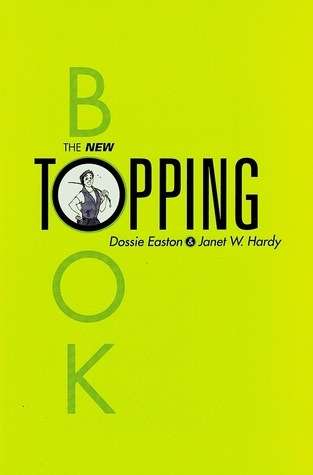
The New Topping Book
BDSM can feel like a lot when you’re first exploring power exchange dynamics, whether for yourself or to support a partner. The New Topping Book has become a classic guide for people interested in dominance and BDSM, and while it’s got some real strengths, it’s also worth looking at honestly – including where it falls short.
Who Wrote This and Where They’re Coming From
Dossie Easton and Janet Hardy bring decades of personal and professional experience to the table. Easton is a licensed marriage and family therapist, which gives some of the material a clinical grounding, and Hardy has written extensively about alternative sexuality. Their tone is approachable, almost chatty at times. That said, they’re both white women from a particular generational and cultural context, and that shapes what the book covers and what it misses.
The Good Stuff: Consent and Communication Basics

Where this book really works is in laying out the fundamentals of consensual power exchange. How to negotiate boundaries, how to process what comes up emotionally, how to keep things safe. Easton and Hardy don’t push a single “right” way to do BDSM. Instead, they focus on figuring out what works for you and your partner(s) while staying ethical about it. The consent and communication frameworks here are solid and honestly useful for any relationship, kinky or not.
Practical Tools for the Hard Parts
The most useful sections give you actual language for difficult conversations, ways to handle complicated feelings, and frameworks for making agreements that actually hold up. If you’re someone who knows what you want but struggles to articulate it, or if you’re trying to figure out how to talk about power dynamics with a partner who’s new to all this, these sections are genuinely helpful.
Where It Shows Its Age

The book has some real gaps, and they’re worth naming. The treatment of race, gender, and sexuality feels dated in spots and occasionally lands wrong. There’s a brief section on BDSM for people of color that barely scratches the surface of how systemic power dynamics affect what happens in intimate relationships. Disability, body size, and class are mostly absent from the conversation. And sometimes the book frames relationship challenges as purely individual when they’re actually tied to bigger structural stuff.
Bringing This Into Therapy
A kink-friendly therapist can help you sort through this material in a way that accounts for your full identity and experience. The concepts in the book make for great starting points in session – they can help you figure out what areas you want to explore more or where you need support. And you don’t have to read the whole thing cover to cover. Pick the chapters that are relevant to where you are right now.
What You’ll Get Out of It
At its best, this book helps you get better at expressing what you need, setting limits, working through complicated emotions, and building trust-based relationships. Those skills transfer well beyond the bedroom. Just be prepared to do some mental updating where the book’s perspective feels too narrow for your life.
For related reading, check out “Polysecure” by Jessica Fern for attachment stuff, “Building Open Relationships” by Dr. Liz Powell for more current exercises, or “The Heart of Dominance” by Anton Fulmen for a more updated take on power exchange.