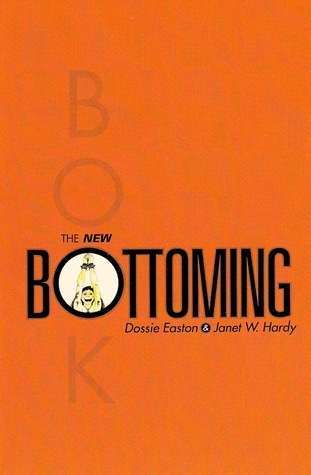
The New Bottoming Book
Exploring your desires in intimate relationships can feel both exciting and nerve-wracking. If you’ve been curious about BDSM dynamics, particularly the receiving or “bottoming” role, finding resources that address both the psychological and practical sides is important. “The New Bottoming Book” by Dossie Easton and Janet Hardy is a strong pick for anyone interested in exploring submission and receptive roles in BDSM relationships.
When working with a kink-friendly therapist, this book can be a great shared reference point for discussion. Many reviewers note that its real strengths are in addressing the emotional and psychological dimensions of bottoming rather than just the how-to stuff, which is exactly the territory that therapy tends to dig into. Your therapist can help you process the book’s ideas in relation to your own experiences, desires, and concerns. The book’s focus on consent, communication, and self-awareness fits well with therapeutic goals and can open up more productive conversations about healthy power exchange dynamics.
Understanding Bottoming Beyond the Stereotypes
Unlike a lot of how-to manuals, this book zeroes in on the “why” behind bottoming rather than just the mechanics. It gets into the psychological space, emotional needs, and personal boundaries that create good experiences for people who enjoy receiving in power exchange dynamics. For therapy clients exploring these desires, that kind of understanding can be really valuable for building self-awareness and healthier relationship patterns.
The authors are clear that bottoming isn’t about weakness. It’s about making conscious choices about your desires and boundaries. That perspective lines up well with therapeutic approaches that encourage agency and self-determination in all areas of life, including sexuality.
What Kink-Aware Therapy Clients Will Get Out of It
If you’re working with a kink-friendly therapist or considering seeking sex therapy to explore these parts of yourself, this book offers:
- A framework for understanding your desires and what drives them
- Tools for communicating boundaries and needs to partners
- Insight into the emotional and psychological rewards of bottoming
- Guidance on negotiating scenes and relationships that feel right for you
- Perspectives on how BDSM experiences can be healing
The book’s emphasis on communication, consent, and self-knowledge makes it a solid companion to therapeutic work around sexuality and relationships.
Dated Elements Worth Noting
Written nearly two decades ago, some sections show their age, especially around gender concepts and internet safety. Several reviewers point out that the bits about finding community online feel particularly out of date given where social media is now.
The book also veers into spiritual territory in places that won’t land for every reader, particularly in the later chapters. Those perspectives are interesting to consider, but they can feel disconnected from the more grounded, practical content elsewhere.
For therapy clients looking for the most current thinking on gender diversity within BDSM communities, it’s worth pairing this with more recent resources. A kink-aware therapist can help point you toward materials that reflect where the conversation is today.
About the Authors: Experience and Perspective
Dossie Easton and Janet Hardy are well-known figures in alternative sexuality education. Their collaborative work, including “The Ethical Slut,” has been hugely influential in polyamory and BDSM communities. Their writing style comes across as warm and conversational, like getting advice from knowledgeable, non-judgmental friends.
Both authors write from personal experience and professional knowledge, which gives their work an authenticity that readers consistently appreciate. Their approach emphasizes personal agency, ethical interactions, and psychological well-being.
How to Use This Book in Therapy
If you’re exploring BDSM interests with the support of a sex-positive therapist, here are some ways to work the book into your sessions:
Flag passages that really hit home and bring them up in therapy. The book’s reflective questions also make good journaling prompts between appointments.
Use the book’s framework for negotiation and boundary-setting to practice these skills in a therapeutic context before trying them out in relationships.
If you’re in a partnership, selected chapters can be great conversation starters that feed into what you’re working on with your therapist.
The book’s emphasis on self-knowledge pairs naturally with therapeutic goals around increased self-awareness and making intentional choices.
Beyond Technical Skills: The Emotional Side
What sets this book apart from pure instructional manuals is its deep look at the emotional experiences of bottoming. For therapy clients working through shame, vulnerability, or trust issues, the authors’ way of normalizing the complex feelings that come up during power exchange can be genuinely validating.
The book explores how bottoming can create opportunities for processing difficult emotions, experiencing release, and building deeper connections. All of those can have real therapeutic benefits when practiced with awareness and care.
Further Reading
For those wanting to explore further, check out “The New Topping Book” (the companion volume), “SM 101” by Jay Wiseman for technical safety information, or “Different Loving” by Gloria Brame for broader historical context. A kink-aware therapist can recommend resources specific to your particular interests and needs.
Find it Goodreads here