

Healing Sexual Trauma in Queer & Trans Communities Part I: Understanding as Reclaiming
For queer and trans survivors, healing from sexual trauma doesn’t happen in isolation—it takes place within systems and histories that have long targeted our bodies, identities, and relationships. These harms are not just individual; they’re political, cultural, and often rooted in attempts to punish or erase who we are. When we understand how trauma affects our bodies and minds—and when we situate those experiences within broader patterns of systemic violence—we can begin to loosen the grip of shame, self-blame, and isolation.
This post is a knowledge share: a weaving together of insights, language, and frameworks that I’ve found helpful in my own journey and in my client work. My hope is that in naming these truths, you’ll feel a little more grounded, a little more validated, and maybe even a little more empowered to listen inward and move toward healing—whatever that looks like for you.
Sexual Violence in Queer & Trans Communities
LGBTQ+ communities experience significantly higher rates of sexual violence than the general population. For trans, nonbinary, and gender-nonconforming people—especially Black, Indigenous, and people of color—these violations often intersect with racism, transmisogyny, ableism, and economic marginalization.
Sexual violence can function as a form of hate-motivated violence: a calculated attempt to punish perceived “deviance” from rigid gender and sexual norms. Survivors are often left grappling not only with the trauma of the event itself, but also with the burden of societal narratives that reinforce shame, invisibility, or disbelief.
The Impact of Sexual Trauma in TGNC Communities
For trans and nonbinary people, the experience of sexual trauma often intersects with body-based distress, dysphoria, or dissociation. The violence may have targeted body parts that already feel difficult to inhabit—places where identity, shame, and survival converge. In some cases, perpetrators may have weaponized a survivor’s body parts in an attempt to deny or attack their gender identity.
Healing must center bodily autonomy and safety—and truly supportive care requires trans competence, cultural humility, and space for the survivor’s full lived experience. Transgender Sexual Violence Survivors: A Self-Help Guide to Healing & Understanding by FORGE is a good place to start.
Common Responses to Sexual Violence
You are not broken. There is nothing wrong with you. The responses you may be experiencing are common, human, and valid. When we normalize trauma responses, we interrupt the tendency to internalize blame or pathologize ourselves. Which doesn’t make the experience easier, but it can remind us we are not alone.
Some common trauma responses include:
- Guilt, Shame & Self-Blame: Especially in queer communities, guilt can take on the form of believing the violence occurred because of our queerness. But sexual violence is never caused by the survivor’s choices. It happens through disregard for consent. Shame will be explored a bit further in the next section.
- Anger: A completely valid—and often stigmatized—response to trauma. This is especially true for people who’ve been conditioned to suppress anger, such as those socialized as girls, and for those who are routinely pathologized or punished for expressing it, such as Black and Brown individuals. Anger can be an important signal—it helps us recognize when our boundaries have been crossed. Part II will include practices on working with anger and other difficult emotions.
- Dissociation: Feeling disconnected from your body, surroundings, or reality. This is a protective response our nervous system can engage in to cope with overwhelming stimuli. This is further exacerbated by gender dysphoria experienced by TGNC individuals.
- Changes in Sexual Behavior: This might show up as hypersexuality (increased or compulsive sexual activity) or hyposexuality (avoidance of sexual activity) at different times. Neither is “wrong”—they are ways our bodies attempt to reclaim control or seek safety.
- Difficulty with Intimacy or Boundaries: Boundaries may feel blurry after experiencing boundary violations. This isn’t a failure—it’s a result of trauma, and it deserves gentle support and re-learning.
- Physical and Cognitive Symptoms: These may include sleep disturbances, memory loss, digestive issues, or chronic pain.
Shame and Its Roots
Shame tells us that we are bad, broken, or unworthy. Many survivors carry shame that was never theirs to begin with—passed down from families of origin, religions, or social messages. Victim-blaming in the media is just one example of how our culture often holds survivors responsible for harm that was done to them without their consent.
For LGBTQ+ survivors, shame can be especially insidious. When our sexualities, bodies, or genders have already been stigmatized, it’s easy for that external stigma to become internalized.
It’s worth noting that shame is listed in the DSM-V as a cognitive alteration that can result from trauma. It is not an inherent truth about who we are—it’s a trauma symptom. And it can be worked with, unlearned, and healed.
Trauma Lives in the Body
Trauma impacts not only the brain but also the body and nervous system. Our trauma responses are not just psychological—they are physiological. Somatic practices, or body-based healing, can help survivors reconnect to their bodies in safe, consensual ways. Part II of this blog post will dive deeper into somatic practices.
Decolonizing Somatic Healing
Somatic healing isn’t a new idea. Across cultures, Indigenous and Afro-diasporic communities have long known the power of collective and embodied healing. Singing, drumming, dancing, and moving together have always been ways to express grief, celebrate joy, honor ancestors, and release pain in connection and community.
One powerful example comes from Afro-Colombian bullerengue artist Esmith Rivera Márquez, whose song “Colombia me Llora” honors trans and queer lives lost to state and gender-based violence. Through drumming, song, and dance, the music becomes not only a site of mourning and resistance—but also a ritual of ancestor reverence, remembrance, collective creative expression, and hope.
Complex & Transgenerational Trauma
Many survivors, particularly Black, Indigenous, and people of color, experience complex trauma—ongoing, layered, and intersecting forms of trauma that accumulate over time. For these survivors, healing may not be about recovering from one incident, but about navigating the compounded effects of racism, homophobia, transphobia, classism, and more.
Transgenerational trauma refers to the symptoms and survival strategies passed down through family and cultural lineages. You may be carrying patterns that reflect the unhealed traumas of previous generations. But strengths are passed down, too.
Ask yourself: What survival strategies did my ancestors use? What do I want to honor, and what do I want to release? What legacy of healing am I carrying forward?
Institutionalized Sexual Violence
As INCITE! reminds us, sexual violence doesn’t always come from individuals—it also comes from institutions. This includes:
- Militarized and State-Sanctioned Violence
- Sexual violence in prisons and detention centers
- Criminalization of sex work — which disproportionately impacts trans women of color
- Medical mistreatment and gatekeeping in healthcare settings
Alternatives to punitive systems, such as transformative justice, offer community-centered approaches to accountability and healing—especially when carceral solutions perpetuate more harm.
Healing Is Possible
Survivors often ask, “Will I ever heal?” And while the path looks different for each of us, I truly believe healing is possible. Not in the sense that the past disappears—but in the sense that our lives are not defined by what was done to us.
Healing may include therapy, community, creating art, somatic practice, spiritual work, rest, organizing—or some combination of all of these. Healing doesn’t mean being “okay” all the time. It means growing your capacity to come back to yourself, again and again.
In the next section, I’ll share some healing tools that may support you in reconnecting with your body, boundaries, and sense of safety and agency. You don’t have to do them all. Take what resonates and leave the rest. You are the expert of your own healing.
If you’re ready to begin or deepen your healing journey with a therapist who is trauma-informed, queer- and trans-affirming, and culturally responsive, we invite you to connect with us at Blue Canary Psychotherapy and Sex Therapy.
To be continued in Part II: Tools & Mapping Support…
Further reading
- Queering Sexual Violence: Radical Voices from Within the Anti-Violence Movement, ed by Jennifer Patterson
- Healing Sex: A Mind-Body Approach to Healing Sexual Trauma by Staci Haines
- Love WITH Accountability: Digging Up the Roots of Child Sexual Abuse, ed by Aishah Shahidah Simmons
- My Grandmother’s Hands: Racialized Trauma and the Pathway to Mending Our Hearts and Bodies by Resmaa Menakem
- Set Boundaries Find Peace: A Guide to Reclaiming Yourself, by Nedra Glover Tawwab
- Pleasure Activism: The Politics of Feeling Good, by adrienne maree brown
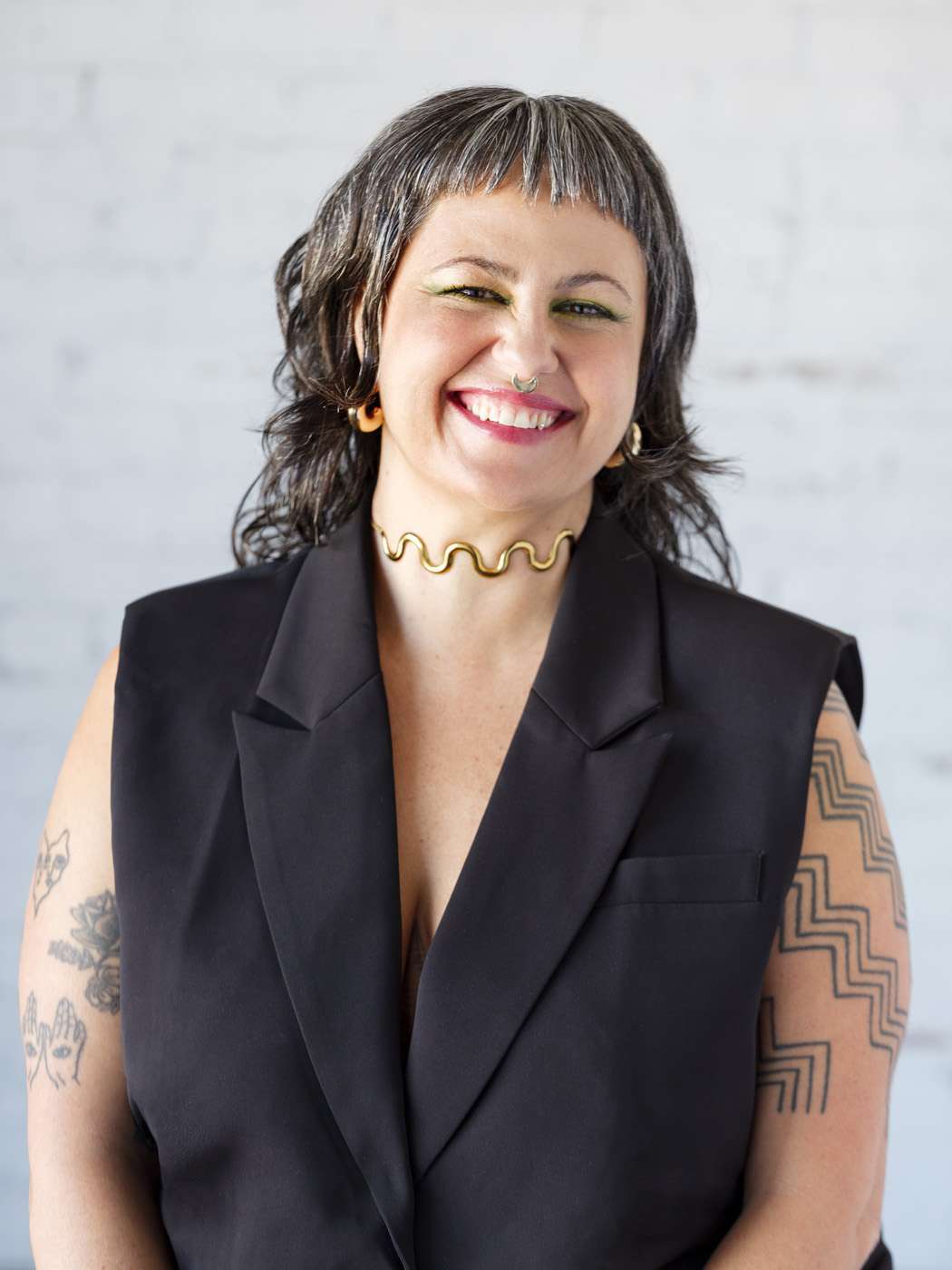
Simona A. Duque
I’m a queer, nonbinary, Colombian American therapist committed to trauma-informed and anti-oppressive care. Believing in the power of a trusting therapeutic alliance, I aim to create a warm, compassionate, and affirming container where clients feel seen in their authentic selves.