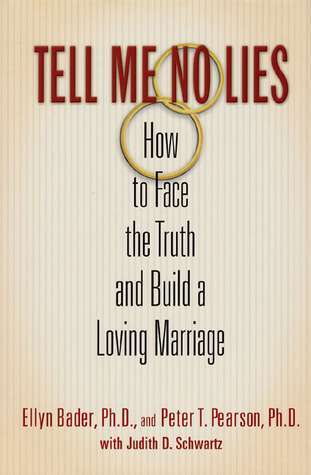
Tell Me No Lies: How to Face the Truth and Build a Loving Marriage
The Hidden Impact of Deception in Relationships
In relationship therapy, few topics generate as much complexity and emotional charge as honesty between partners, especially considering the mental health implications that honesty and deception can have on both individuals and the relationship as a whole. “Tell Me No Lies: How to Face the Truth and Build a Loving Marriage” by Ellyn Bader and Peter Pearson offers a profound exploration into the subtle and sometimes devastating impact that deception—even in its seemingly harmless forms—can have on intimate relationships. This groundbreaking work provides couples with a developmental framework for understanding how truth and lies function within the evolution of a marriage, making it an essential resource for those seeking to strengthen their relationship through authentic communication, as well as for couples facing relationship issues.
Understanding the Developmental Stages of Marriage
What sets this book apart in the marriage counseling literature is its innovative approach to viewing relationships through developmental stages. Similar to how children progress through predictable phases of growth, Bader and Pearson identify four distinct marital stages: The Honeymoon, Emerging Differences, Freedom, and Together as Two. Each stage presents unique challenges to honesty, and the authors skillfully illustrate how deception can derail a couple’s progress through these natural developmental phases.
During the Honeymoon stage, for instance, couples often maintain what the authors call “The Dark Side of the Honeymoon”—a mutual agreement to ignore differences and preserve the illusion of perfect harmony. This seemingly innocent deception can prevent couples from developing the conflict resolution skills necessary for relationship longevity. By identifying a relationship’s stage, partners gain valuable insight into their specific truth-telling challenges. Therapists may use individualized treatment plans and help couples set relationship goals to guide them through these stages, ensuring that interventions are tailored to each couple’s unique needs.
The Surprising Dynamics of Relationship Deception
Perhaps the most eye-opening aspect of “Tell Me No Lies” is its nuanced exploration of how deception functions as a two-way dynamic. The authors introduce the concept of the “Lie Invitee”—a partner who unconsciously encourages dishonesty from their spouse through their reactions and behaviors. This revolutionary perspective shifts the conversation from simply blaming the liar to understanding the relationship patterns that foster deception, highlighting the importance of analyzing relational dynamics.
The book delves into how couples can become trapped in destructive patterns like “The Stalemate,” where brutal honesty becomes a weapon rather than a tool for intimacy, or “Freedom Unhinged,” where independence is prioritized at the expense of connection. These insights help couples recognize that honesty exists on a spectrum, and that the goal isn’t simply to eliminate all deception but to create a relationship environment where truth can be safely shared and received. Couples therapy can help partners resolve conflicts that arise from issues of honesty and deception, supporting healthier relational dynamics.
Communication in Relationships
Communication is the heartbeat of every thriving relationship. When partners can openly share their thoughts, feelings, and needs, they lay the groundwork for trust and mutual respect. In marriage counseling and online couples therapy, communication is often the first area addressed, as breakdowns in communication are a leading cause of relationship distress. Through couples therapy, partners learn to express themselves honestly and listen actively, reducing misunderstandings and fostering a supportive environment where both individuals feel heard and valued. Online couples sessions offer a convenient and safe space to practice these skills, helping couples navigate difficult conversations and resolve issues before they escalate. By prioritizing effective communication, therapy empowers couples to strengthen their connection and build a resilient, loving relationship.
Conflict Resolution: Turning Disagreements into Growth
Disagreements are a natural part of any relationship, but how couples handle conflict can make all the difference. In couples therapy, and especially through online couples therapy, partners are guided to view conflicts not as threats, but as opportunities for personal growth and deeper understanding. The Gottman Method Couples Therapy is renowned for its evidence-based approach to conflict resolution, teaching couples practical skills to manage disagreements with empathy and respect. By learning conflict resolution skills, couples can transform moments of tension into meaningful dialogue, fostering a greater sense of partnership and trust. Online couples therapy provides accessible tools and strategies, allowing couples to practice these skills in real time and apply them to everyday life. Embracing conflict as a catalyst for growth, therapy helps couples build a stronger, more harmonious relationship.
Intimacy in Relationships: Rebuilding Connection
Intimacy is the glue that binds romantic partners, encompassing emotional closeness, physical affection, and sexual connection. Yet, life’s stresses, past traumas, or communication barriers can erode intimacy over time. Marriage counseling and couples therapy offer a path to rekindle that connection, helping partners address underlying issues and rediscover each other on a deeper level. Online marriage counseling creates a supportive environment where couples can safely explore their concerns about intimacy, guided by a trained therapist who fosters open communication and emotional vulnerability. By working together in therapy, couples can rebuild trust, enhance their emotional and physical bond, and create a more satisfying and resilient relationship. Prioritizing intimacy through counseling not only strengthens the partnership but also enriches each partner’s sense of fulfillment and belonging.
Emotional Intelligence: Navigating Feelings Together
Emotional intelligence is a cornerstone of healthy, lasting relationships. It involves recognizing, understanding, and managing emotions—both your own and your partner’s. In marriage counseling and online couples therapy, couples learn to develop their emotional intelligence, gaining tools to navigate complex feelings and respond to each other with empathy and compassion. Therapy provides a structured space for partners to explore their emotional worlds, improve communication, and build greater self-awareness. Online couples therapy makes these resources more accessible, allowing couples to work on emotional intelligence from the comfort of their own home. By enhancing emotional awareness and understanding, couples can better support each other through life’s challenges, adapt to significant transitions, and create a relationship that is both resilient and deeply connected.
Practical Applications for Couples Therapy
This book offers concrete strategies for couples struggling with trust, communication, or emotional intimacy challenges to achieve greater authenticity. The authors provide thoughtful exercises that help partners identify their deception patterns and the underlying fears that drive them. Rather than prescribing a one-size-fits-all approach to honesty, Bader and Pearson acknowledge the complexity of truth-telling in relationships and offer tailored interventions based on a couple’s developmental stage.
Marriage counselors, as well as licensed therapists, marriage therapists, and family therapists, will find the book’s framework particularly valuable for helping clients understand that their struggles with honesty aren’t simply character flaws but predictable challenges within the developmental journey of partnership. The book’s approach aligns well with contemporary couples therapy techniques and evidence based approaches, focusing on attachment patterns, emotional safety, and vulnerability as pathways to deeper connection. These strategies are frequently applied by couples therapists to support relationship growth.
Contemporary Relevance in Today’s Relationship Landscape
Though published in 2000, the book’s insights remain remarkably relevant to modern relationship challenges. In today’s digital age, where technology creates new avenues for connection and deception, understanding the psychological underpinnings of dishonesty is perhaps more crucial than ever. From password-protected devices to social media interactions, couples face novel temptations for secrecy that test the boundaries of relationship transparency.
However, some readers may find that the book doesn’t fully address how cultural shifts in relationship expectations—including the rise of ethical non-monogamy, changing gender roles, and diverse family structures—impact the dynamics of honesty between partners. For example, blended families present unique challenges and opportunities, making it essential to understand family dynamics and how they influence relationship patterns in modern households. The heteronormative focus of many examples may also limit its applicability for LGBTQ+ couples, though the core psychological principles remain valuable across relationship configurations. There is a growing need for affirming care and inclusivity in couples counseling, ensuring that therapy approaches are effective and supportive for individuals of every sexual orientation.
The Authors’ Therapeutic Approach
As founders of The Couples Institute in Menlo Park, California, Bader and Pearson bring decades of clinical experience to their writing. Licensed marriage and family therapists, as well as clinical social workers, are among the professionals who use these approaches. Their developmental model of couples therapy, first introduced in their earlier work “In Search of the Mythical Mate,” has influenced countless therapists and relationship educators. Their approach integrates attachment theory, differentiation-based models, and neuroscience to create a comprehensive framework for understanding relationship dynamics.
What makes their work particularly accessible is their use of vivid case examples that illustrate complex psychological concepts through relatable scenarios. Readers will likely recognize aspects of their relationship patterns in these carefully anonymized stories, creating powerful moments of self-recognition that can motivate change and support their therapeutic journey.
Integrating Honesty into Your Relationship Journey
For couples seeking to build stronger foundations of trust, “Tell Me No Lies” offers a roadmap for achieving greater authenticity. The authors emphasize that the journey toward honesty isn’t about perfect transparency but about creating a relationship where both partners feel safe enough to be vulnerable. This process involves developing skills in both truth-telling and truth-receiving—learning to share brutal truths compassionately and to hear uncomfortable realities without defensiveness. Couples counseling can provide a path forward by supporting the healing process, helping partners navigate challenges and rebuild trust together.
Marriage counseling clients will benefit from understanding that occasional deception doesn’t necessarily indicate relationship failure but may signal developmental challenges that require attention. By identifying their relationship’s stage, couples can apply targeted strategies to overcome the barriers to honesty, whether the fear of conflict in early stages or the challenge of balancing independence with connection in later phases. Therapists often guide couples in boundary setting, which is essential for healthy communication and relationship dynamics. Many couples seek therapy to foster deeper intimacy, improve communication, and strengthen their emotional connection.
Couples seek therapy for a variety of reasons, including building trust, overcoming honesty barriers, and enhancing their overall relationship satisfaction.
Beyond the Book: Continuing the Journey
For those inspired by the developmental approach to relationship honesty, complementary resources include Esther Perel’s “Mating in Captivity,” which explores the tension between security and desire, and Sue Johnson’s “Hold Me Tight,” which offers attachment-based strategies for emotional connection.
Couples seeking professional support have access to a range of options, including online therapy, online couples counseling, and in person sessions. These services are often covered by major insurance plans and may be in network with many providers, making therapy more accessible and affordable.
Couples might explore therapeutic approaches to emotional connections and relationship dynamics, such as individual therapy, family therapy, and couples counseling. Therapy can support couples dealing with significant life transitions or other life transitions, helping them navigate challenges and strengthen their relationships. Through therapy, clients can explore their inner world and experience the transformative power of personal growth and healing. These methods complement the developmental perspective in “Tell Me No Lies.”