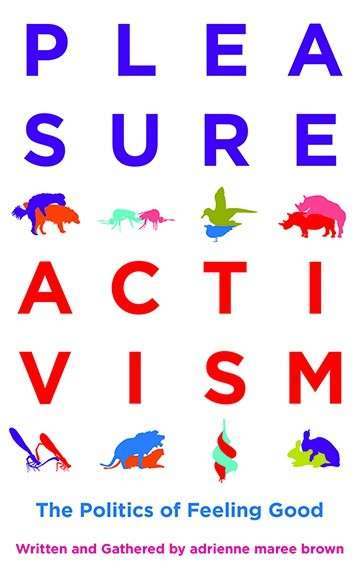
Pleasure Activism: Finding Joy and Healing Through Therapy
What is Pleasure Activism and How is it Connected to Mental Health
Adrienne Maree Brown’s “Pleasure Activism: The Politics of Feeling Good” is a game-changing approach to healing that centers pleasure as a path to freedom. This collection of essays and interviews challenges the idea that healing work has to hurt and argues that embracing joy can create lasting change in your life and in your community.
The central idea is big: what feels good for you is often what’s good for the world. This is deeply connected to therapeutic healing where finding joy and pleasure can be a step towards recovery from trauma, depression, anxiety and other mental health challenges.
Audre Lorde’s essay “Uses of the Erotic” is a big influence on this book and Brown explores how connecting with your inner sense of joy can be a source of power and healing. This translates well into therapeutic work where learning to recognize and pursue healthy pleasures can help you rebuild relationships with yourself and others.
How Trauma Affects Your Relationship with Pleasure
Many people in therapy have experienced trauma that disconnects them from feeling joy or contentment. Trauma can create numbness, hypervigilance or inability to trust your own desires and instincts.
One of the most powerful pieces in the book is “Pleasure After Childhood Sexual Abuse” by Amita Swadhin which explores how survivors can reclaim their right to joy. This essay highlights the difference between “hedonism that enables dissociation and disconnection versus joy and pleasure that enables presence and intimacy”.
This is key in trauma therapy. Healthy pleasure is being present in your body and connected to yourself, unhealthy coping mechanisms provide temporary relief but keep you disconnected from real healing.
If you’ve experienced trauma you may have lost touch with what brings you genuine joy, feel guilty about pleasure or not remember what makes you feel alive. Trauma-informed therapy can help you safely reconnect with your capacity for joy while processing difficult experiences.
Boundaries as a Path to Authentic Pleasure
A big theme in “Pleasure Activism” is boundaries as the key to authentic pleasure. Brown writes “Your no makes way for your yes. Boundaries create the container within which your yes is authentic.”This is key to therapeutic work. Healthy boundaries aren’t walls keeping people out but guidelines to help you engage authentically. When you can say no to what doesn’t serve you your yes becomes more meaningful.
Brown describes healthy boundaries as “organic fences, made of stacked rocks or thick bushes that become home to millions of small creature families. Porous, breathing boundaries that are clear and mark the space between partners in ways that make them both feel abundant.”
In therapy you can learn to develop these boundaries in relationships, work and with yourself through recognizing limits, communicating needs clearly and building the self-worth to maintain them.
Healing Relationships Through Pleasure-Centered Approaches
The book devotes a lot of space to how pleasure can change relationships, whether romantic partnerships, friendships, family relationships or your relationship with yourself. It gets into communication, consent and building connections that actually nourish you rather than drain you.
The pleasure activism approach suggests healing happens not just by addressing what’s wrong but by actively pursuing what feels right. In therapy this might mean exploring what kinds of connection truly feed you and learning to communicate desires and needs more directly.
Brown emphasizes self-pleasure, self-care and self-compassion as the foundation of all relationships. In therapy you might explore building a kinder relationship with yourself, especially if you struggle with self-criticism, shame or low self-worth.
Addiction Through Pleasure-Based Healing
While the book includes discussions about recreational drug use it addresses the important distinction between pleasure that enhances life and substances that become compulsive or harmful. It includes perspectives on harm reduction and recognizes not all pleasures are healthy for all people.
If you’re struggling with addiction, the pleasure activism framework can still be relevant. Recovery often involves learning to find healthy sources of joy and satisfaction to replace problematic substances or behaviors.
The book’s emphasis on moderation and self-awareness can be especially helpful for people in recovery focusing on choices that truly serve their well-being rather than providing temporary escape.
Somatic Approaches and Body-Based Healing
Throughout “Pleasure Activism” there’s a strong emphasis on embodied experience and body wisdom which lines up with somatic therapy approaches that recognize the body’s role in both trauma and healing.
Many mental health challenges involve disconnection from your body. The pleasure activism approach supports reconnection by encouraging attention to what feels good in your body, the pleasure of a warm bath, the satisfaction of stretching or the joy of dancing.
Potential Critiques and Limitations
While “Pleasure Activism” is helpful, it’s important to note some criticisms. Several reviewers have said the book focuses too much on sexual pleasure and may leave out readers who are asexual, aromantic or for whom sexuality isn’t a primary source of joy.
Some critics argue the book doesn’t go deep enough on structural barriers to pleasure. While it acknowledges systemic oppression, it may not fully explore how poverty, disability, illness or social isolation can limit access to the pleasures the book describes.
The book’s approach to drug use as pleasure activism has been criticized for not addressing addiction risks or the fact that many marginalized communities are disproportionately affected by substance abuse.
Some readers feel the book lacks political analysis, reading more like self-help than a framework for social change. The focus on individual pleasure while valuable may not address the collective action needed for systemic change.
These criticisms don’t cancel out the book’s value but they’re worth keeping in mind as you read, considering your own circumstances and the broader picture.
Professional Support
If the ideas in “Pleasure Activism” resonate with you, therapy can be a good place to explore these concepts in your own life. Whether you’re dealing with trauma, relationship issues, addiction, depression, anxiety or just wanting to bring more joy into your day-to-day, working with a therapist can make a real difference.
A good therapist can support your healing while honoring your specific needs and goals. They can give you tools to work through difficult emotions, build healthier relationships and shape a life that actually feels like yours.
If you’re ready to explore how therapy can support your healing and help you build a more satisfying life, reach out. Our therapists are here to help.
Find Pleasure Activisim on Open Library