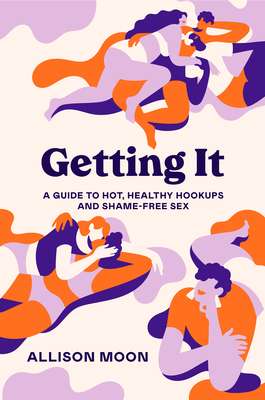
Getting It: A Guide to Hot, Healthy Hookups and Shame-Free Sex
Conversations about sex are still wrapped in shame for a lot of people, which is what makes Allison Moon’s “Getting It” such a welcome read. This guide tackles casual sex and hookups with real compassion, humor, and a level of inclusivity you don’t always find in books about sex. Whether you’re exploring new relationship dynamics, getting back out there after a breakup, or just trying to understand what you actually want, the book offers honest insights that pair well with sex therapy work.
A Practical Guide to Sexual Exploration
Moon approaches casual sex with warmth and practicality in equal measure. Rather than treating hookups as purely physical, she gets into the emotional, psychological, and social dimensions too. The book works well as a resource for anyone working through intimacy issues in therapy. It gives you language and frameworks for talking about desires that might otherwise feel impossible to put into words.
For readers in New York City, where dating can feel like its own kind of obstacle course, Moon’s guidance on social dynamics and communicating boundaries is especially relevant. Her emphasis on communication, consent, and personal agency lines up with how good sex therapy actually works.
Beyond Hookup Culture: Relationship Skills for Everyone
Don’t let the hookup-focused title fool you. “Getting It” delivers relationship wisdom that applies to all kinds of connections. Moon covers communicating desires, setting boundaries, and practicing consent. These are the fundamentals that any sex therapist would tell you are essential for healthy intimacy, regardless of relationship structure.
The book is particularly good at treating diverse relationship structures and sexual preferences as normal, without making a big deal out of it. For anyone who’s felt like mainstream relationship advice doesn’t quite apply to their life, that validation matters.
Dealing with Shame
Probably the most therapeutic thing about Moon’s writing is how she goes after sexual shame. She digs into where it comes from and offers real pathways toward self-acceptance. Her personal stories create a sense of “you’re not the only one” that helps readers feel less isolated in their insecurities.
If you’ve thought about sex therapy but felt too embarrassed or unsure to start, this book can serve as a low-pressure introduction to the kinds of conversations that happen in a therapeutic setting.
Practical Tools for Self-Discovery
“Getting It” isn’t just ideas. It includes concrete exercises for self-reflection that mirror what you might encounter in sex therapy. Moon encourages you to explore your desires, boundaries, and communication patterns through thoughtful prompts and scenarios.
These exercises work well as between-session homework if you’re already seeing a therapist. The book’s approach to mindfulness and body awareness connects to therapeutic practices that recognize how physical sensation and emotional experience are intertwined.
Where It Falls Short
The book isn’t perfect. It sometimes paints an idealized picture of hookup culture that doesn’t reflect everyone’s reality, especially for people dealing with disability, racial discrimination, or body image concerns. Moon works hard at inclusivity, but some perspectives get more attention than others.
Some of the advice also assumes you have access to sex-positive communities, which is more realistic in progressive urban centers than in a lot of other places. That limits how practical the book feels for readers without those resources nearby.
About the Author
Allison Moon is a sex educator and writer whose experience in queer and non-monogamous communities shapes her inclusive approach. That background also means certain experiences get more detailed treatment than others. Her writing style is conversational and friendly, the kind of approachable tone that makes tough topics feel less daunting.
Using This Book Alongside Therapy
If you’re currently seeing a sex therapist or thinking about starting, “Getting It” makes a solid companion to your sessions. Try bringing insights from the book into your conversations with your therapist. It can be a good jumping-off point for talking about desires, boundaries, or patterns that are hard to raise cold.
If you’re not in therapy but curious about sexual wellness, the book offers a gentle entry point. The self-reflection exercises can help you figure out what you might actually want to explore with a professional.
From Theory to Practice
The most common thing readers say about “Getting It” is some version of “I wish I’d had this years ago.” Moon fills a real gap in practical sex education with advice that actually applies to real-world encounters.
She offers specific frameworks for communicating desires and boundaries in vulnerable moments, whether you’re dating again after heartbreak or trying something new. The book goes beyond mechanics to address the emotional intelligence that casual relationships require, helping you figure out how to “express and explore safely” without shame.
What sets “Getting It” apart is that it acknowledges the messy parts too. Rejection, miscommunication, awkward moments. These are the things that derail even well-intentioned encounters, and Moon prepares you for imperfect reality rather than some idealized version.
Finding Support Beyond the Page
Books are great, but they can’t replace personalized support. If you’re dealing with sexual concerns, working with a qualified sex therapist can offer strategies specific to your situation. A therapist can help you apply the book’s concepts to your own life and provide support when self-exploration brings up hard feelings.
The path toward sexual wellness is deeply personal. Combining a book like Moon’s with professional guidance creates a solid foundation.
Further Reading
If you want to keep going, check out “Come As You Are” by Emily Nagoski for science-based insights on female sexuality, “The Ethical Slut” by Janet Hardy and Dossie Easton for ethical non-monogamy, or “Mating in Captivity” by Esther Perel on desire in long-term relationships. Find it on OpenLibrary here.