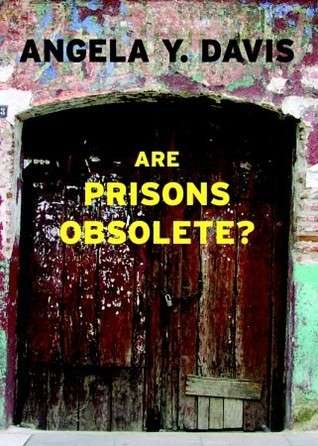
Are Prisons Obsolete?
Angela Davis wrote this book in 2003, and honestly, it hits harder now than it probably did then. In under 130 pages, she makes a case that most people aren’t ready to hear: that prisons don’t solve the problems they claim to solve, and that we’d be better off without them.
The Question Nobody Asks
The smartest move Davis makes is comparing prison abolition to other abolition movements. Ending slavery seemed impossible once. So did dismantling Jim Crow. She points out that what feels permanent and “natural” about the prison system is actually pretty recent, and it grew directly out of racism and economic exploitation. Once you see that connection, it’s hard to unsee it.
Follow the Money
Davis breaks down how prisons became a massive industry, not just a response to crime. Private companies profit from incarceration. Rural communities depend on prisons for jobs. Politicians build careers on being “tough on crime.” Meanwhile, the people locked up are disproportionately Black and brown, disproportionately poor. She connects these dots clearly without oversimplifying the picture.
What It Does to People
This section is hard to read, and it should be. Davis talks about the psychological toll of imprisonment, not just on the people inside but on their families, their communities, and the broader culture. If you’ve got personal experience with the system, whether your own or someone you love, this part of the book might feel like someone finally putting words to something you already knew.
So What Instead?
Davis doesn’t just say “abolish prisons” and leave you hanging. She talks about restorative justice, mental health care, education, and other approaches that actually address harm instead of just warehousing people. It’s not a detailed blueprint, and critics are right to note that. But the point is more about shifting how you think about safety and justice than handing you a policy document.
Where It Falls Short
The book was written over two decades ago, and it doesn’t cover things like surveillance technology, electronic monitoring, or how the private prison industry has evolved since then. Some readers want more specifics on what abolition actually looks like in practice, day to day. Fair criticism. But for a book this short, it does a lot of work.
About Angela Davis
Davis writes from a lifetime of direct engagement with these issues, as an activist, scholar, and former political prisoner. She’s a communist, and her radical politics are right there on the surface of the book. You don’t have to share her ideology to get something out of her analysis, but it helps to know where she’s coming from.
Bringing This Into Therapy
If you’re processing experiences with the justice system, either personally or through someone close to you, reading this book can bring up a lot. Anger, grief, validation, relief. Talk about it with your therapist. Take one chapter at a time if you need to. Pay attention to what your body does while you’re reading; that’s information worth exploring in session.
Related Reading
For more on these themes, check out “The New Jim Crow” by Michelle Alexander, “Golden Gulag” by Ruth Wilson Gilmore, and “Until We Reckon” by Danielle Sered.