Compassionate approaches to equity, liberation, and systemic change. Resources for understanding oppression, building coalitions, and creating sustainable change.
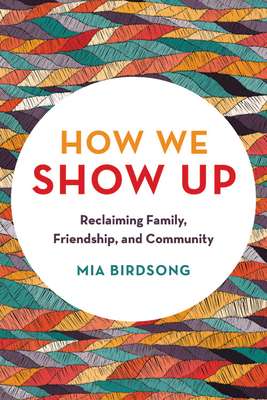
Mia Birdsong argues that isolation isn’t just a personal problem. How We Show Up makes the case for chosen family, deeper friendships, and community as the antidote to the loneliness baked into American life.
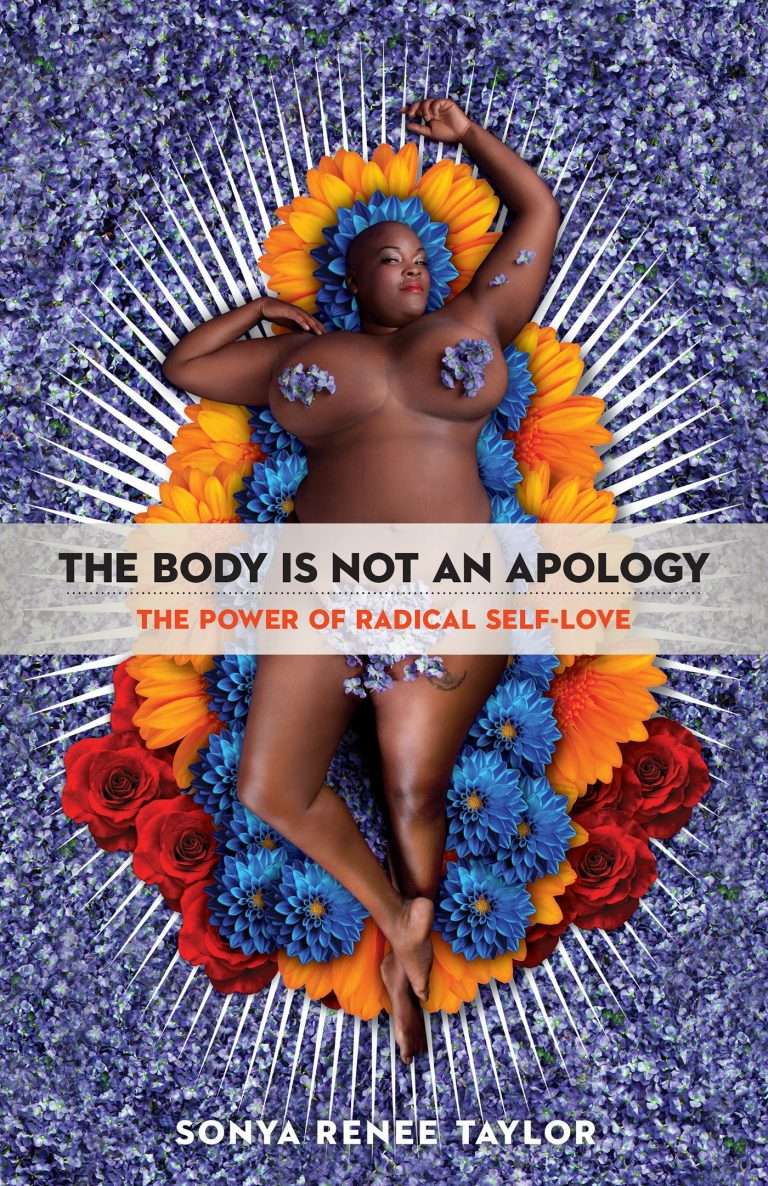
Sonya Renee Taylor’s ‘radical self-love’ framework is sharper on body terrorism than on practice. A therapist’s honest take on who this book serves well, who it doesn’t, and what to pair it with.
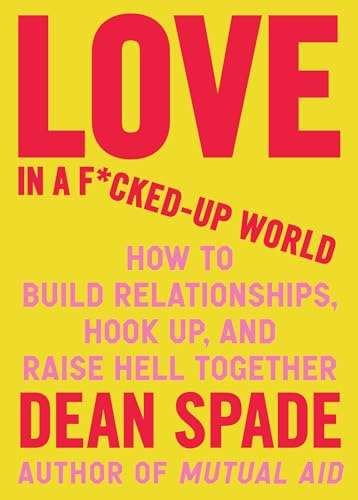
Love in a F*cked-Up World is a new take on relationship problems that many therapy clients will find relatable and useful. Not everyone will agree with all of Spade’s conclusions but the book’s emphasis on communication, emotional awareness and community building is useful for anyone looking for more real and fulfilling relationships.
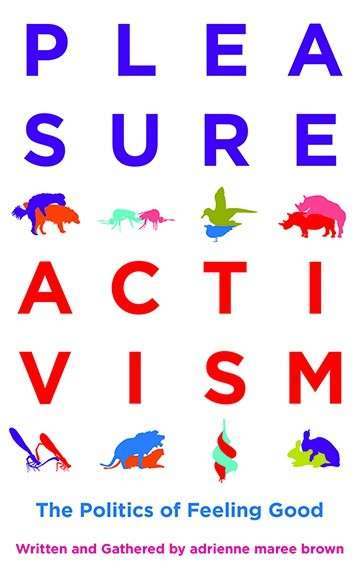
adrienne maree brown argues that pleasure isn’t frivolous — it’s a form of resistance. This book explores how centering joy and embodied experience can enhance both healing and social justice work.
Zinn’s landmark retelling of American history from the perspectives of the marginalized — workers, women, enslaved people, and activists whose stories usually get left out of the textbooks.
An unflinching look at how colonialism still shapes mental healthcare, and a vision for what more liberatory, culturally honest healing spaces could look like.
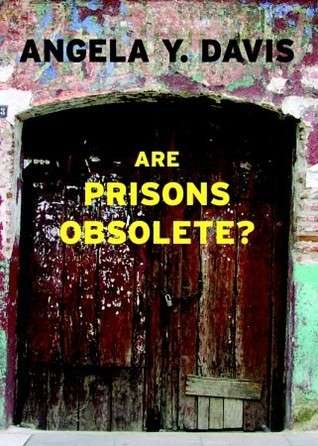
Angela Davis makes the case that prisons don’t keep us safe and imagines what more just, healing-centered alternatives could look like. Short, sharp, and hard to put down.
Kendi combines personal memoir with a framework for understanding racism as systems and policies, not just individual prejudice — and makes a case for what active antiracism actually looks like.
Resmaa Menakem argues that racial trauma doesn’t just live in our minds — it lives in our bodies, passed down through generations. The book offers somatic practices for actually healing it.