McBride’s first book asks a question most body image research skips: not what goes wrong, but how some women ended up at peace with their bodies anyway. The sample is narrow and the editing is rough. The ladder metaphor is worth the trouble.
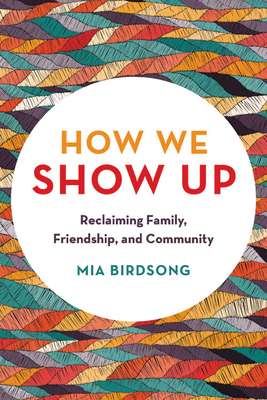
Mia Birdsong argues that isolation isn’t just a personal problem. How We Show Up makes the case for chosen family, deeper friendships, and community as the antidote to the loneliness baked into American life.
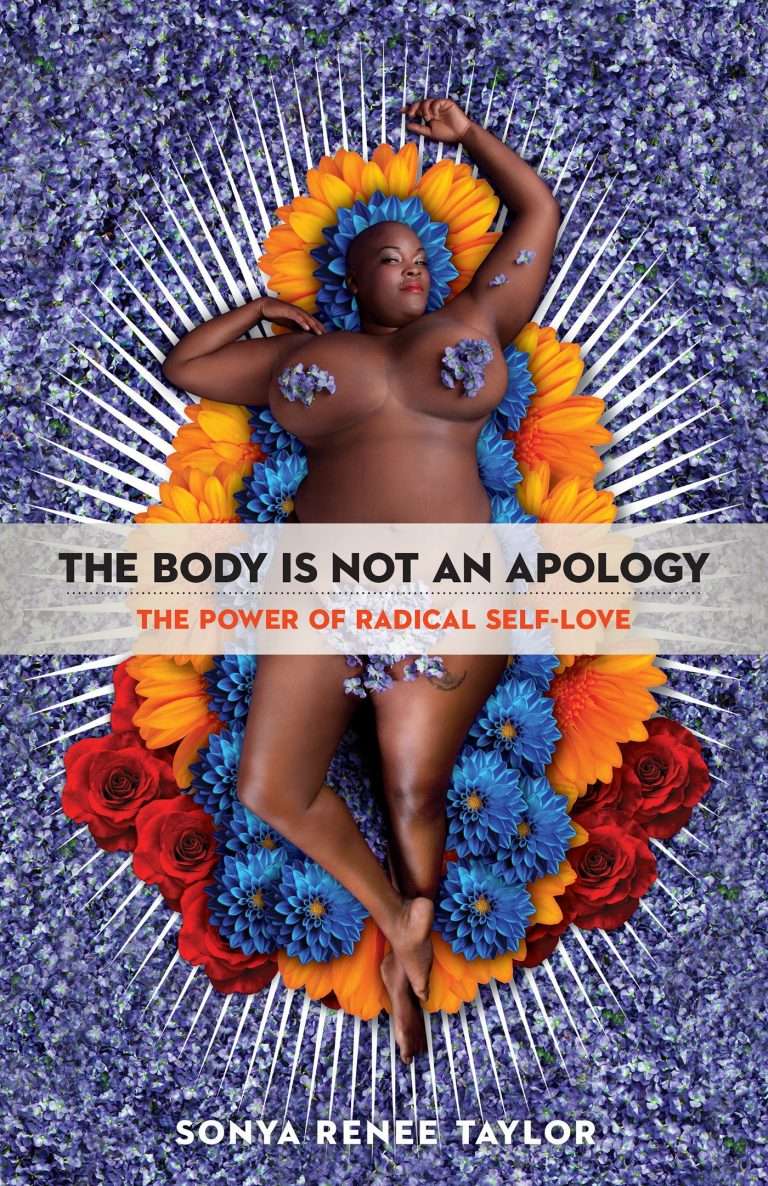
Sonya Renee Taylor’s ‘radical self-love’ framework is sharper on body terrorism than on practice. A therapist’s honest take on who this book serves well, who it doesn’t, and what to pair it with.
What happens when feminists make porn? This essay collection from performers, directors, and scholars answers that question with more nuance and honesty than you’d expect. Academic in places, personal in others, provocative throughout.
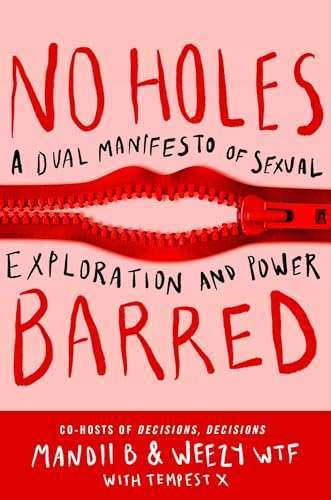
Born from the wildly popular podcast WHOREible Decisions, this NYT bestseller is raw, funny, and genuinely insightful about sex, desire, healing, and owning your pleasure without apology.
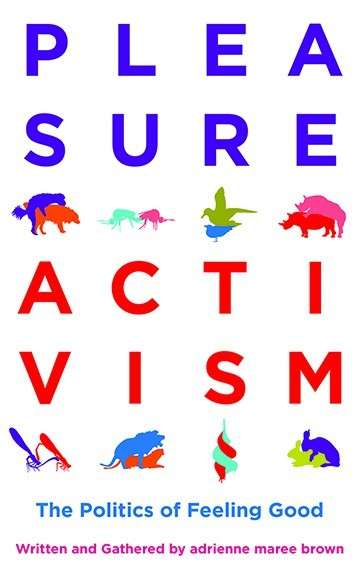
adrienne maree brown argues that pleasure isn’t frivolous — it’s a form of resistance. This book explores how centering joy and embodied experience can enhance both healing and social justice work.
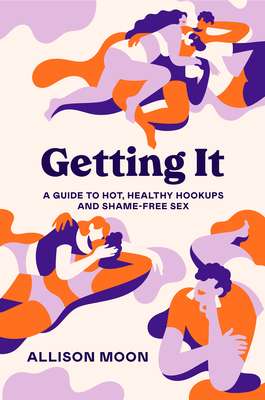
An inclusive, shame-free guide to navigating casual sex and hookups — covering communication, consent, and the emotional stuff that most hookup guides conveniently skip.
An interactive, thought-provoking workbook that turns gender exploration into something playful and personal — with real exercises for figuring out who you are, on your own terms.
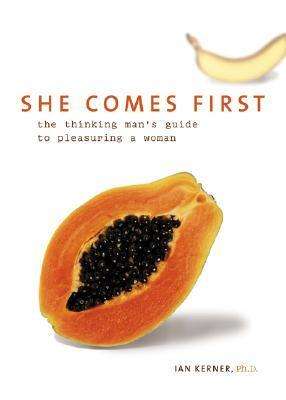
Ian Kerner’s guide to oral sex puts female pleasure front and center — valuable for its anatomical clarity and focus on communication, though it has real limitations around inclusivity.
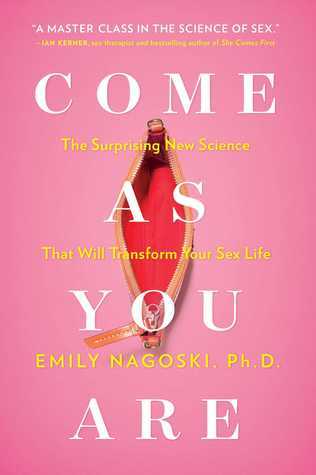
Emily Nagoski breaks down the science of women’s sexuality in a way that actually makes sense — normalizing the huge range of how desire, arousal, and pleasure work (and sometimes don’t).
Angela Davis makes the case that prisons don’t keep us safe and imagines what more just, healing-centered alternatives could look like. Short, sharp, and hard to put down.
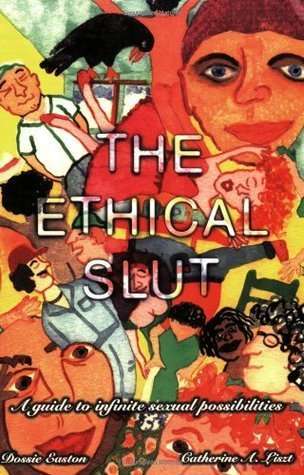
The book that put ethical non-monogamy on the map. Now in its third edition, it covers consent, communication, jealousy, and how to build fulfilling relationships outside the monogamy box.