

Beyond “Sex Addiction”: Understanding Out-of-Control Sexual Behavior
Using the “addiction” label
The word “addiction” started being used more frequently in the 1800’s in reference to alcoholism. It went from being a social taboo to being medicalized in the healthcare system.
Today, the word addiction is used frequently to describe a range of compulsive behavior that feels out of control and impacts people’s mental and relational health. In the age of technology and tik tok speak, words like addiction get thrown around and impact the way people see their behaviors.
While labels can be affirming to some, others hide their behavior in secrecy for fear of being misunderstood. In the sex therapy field, I notice a lot of clients seeking help for “sex addiction” as the label feels like a representation of their behavior. It is surprising to see the wide range of experiences that people use this label to explain.
It’s important to acknowledge that regardless of the label, feeling a loss of control over the self can be a very scary experience for anyone.
An alternative approach
In 2018, the World Health Organization added Compulsive Sexual Behaviour Disorder (CSBD) to the International Classification of Diseases (ICD-11). This manual is used by mental health providers around the world, and it’s important to note that they did not use the word “addiction.”
It is still a debate in the sexuality field whether the word “addiction” should even be used to describe behaviors. Two sexuality professionals Doug Braun-Harvey and Michael Vigorito published the book: Treating Out of Control Sexual Behavior: Rethinking Sex Addiction, which offers an alternative way to look at compulsive behavior.
Sex is seen as a necessary human drive unlike consuming substances and specific behavior is also linked to cultural norms. Using the word “addiction” carries moral shame and isolation. The book talks about Out of Control Sexual Behavior (OCSB) being a subjective experience, and sex being considered problematic if it falls outside of Harvey Institutes 6 Principles of Sexual Health (see below).
The OCSB model offers a more hopeful way to support clients who want to change their relationship to sex. It also allows people to separate their identity from the behavior– seeing it as one part of the self rather than the whole self.

Support for OCSB
If you or someone you love are wondering if this is an issue, or actively struggling with compulsive sexual behavior, working with a sex therapist can be a very healing experience. They might try and help through the following ways:
- Creating a sexual health plan: A client can work with a therapist to create a plan to help people cope with compulsive urges. This plan is a collaboration and may consist of noting sexual boundaries and using countering behaviors as a substitute.
- Reducing shame: Therapists and clients may unpack the clients relationship to shame, reflecting on cultural understanding and creating self-compassion. Education and normalization play a big role here, it’s important to feel understood.
- Addressing underlying causes of the behavior: The therapist can help the client get curious about what the behavior is protecting. So often, our behavior can mask our true feelings and help us avoid confronting some truth within us.
- Writing a new story: Through the process of unpacking their relationship to sex, the therapist can assist the client with re-writing their own narrative, which happens by examining what they want their new relationship to sex to look like.

In the end, working with OCSB or what is called “sex addiction” ultimately includes increasing tolerance to distress, gaining self-understanding, aligning with values and feeling more agency around sexual behavior. Help is available, and relief is possible.
About the Author:
Nikita Fernandes is a Licensed Mental Health Counselor, Certified Sex Therapist and Ketamine Assisted Psychotherapist in private practice, providing trauma-informed, culturally competent and sex positive affirming services to people in NY and VT. Learn more about Nikita and the work she does here.
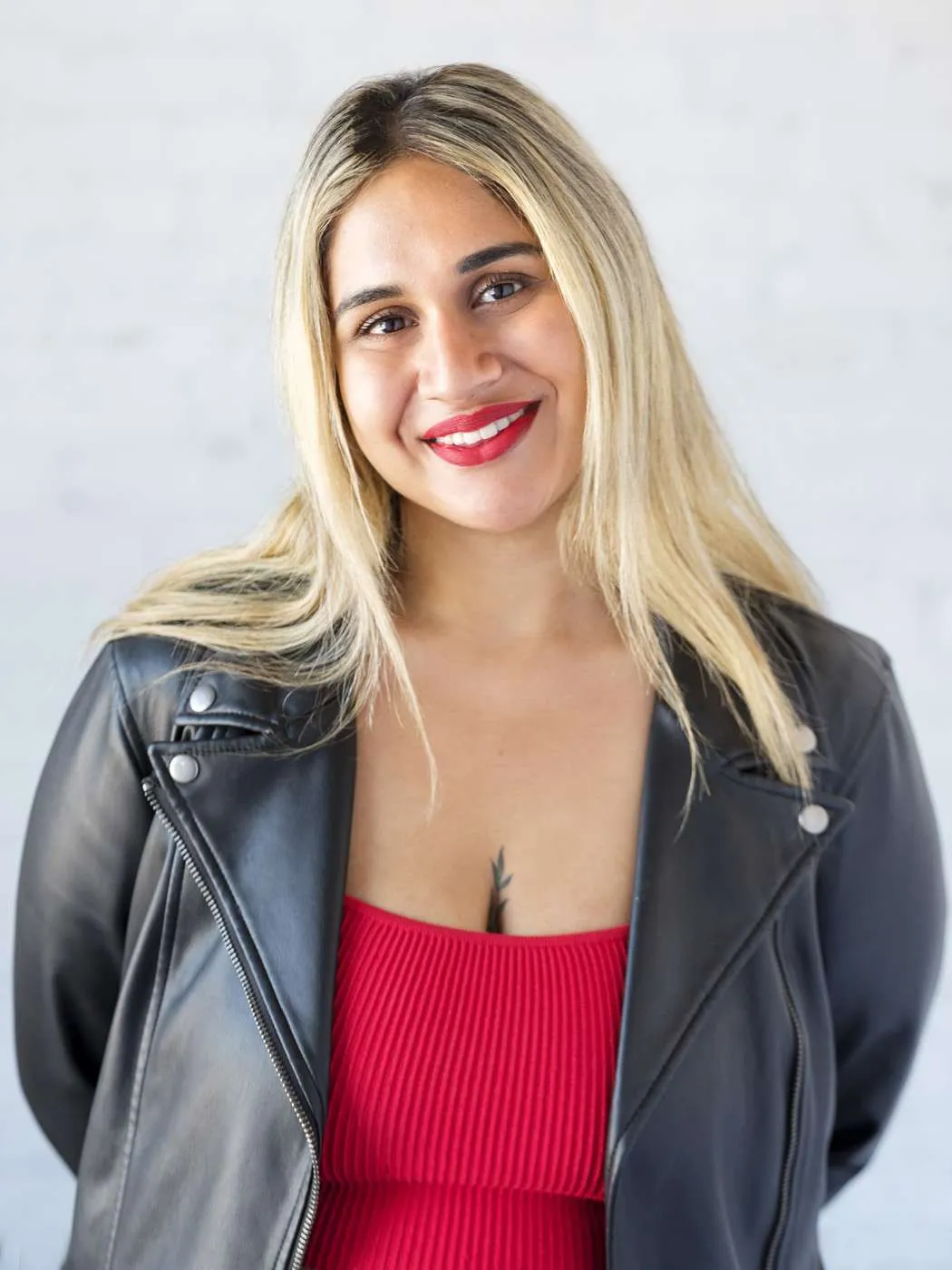
Nikita Fernandes
South Asian, queer therapist offering trauma-informed, culturally sensitive care. I create safe spaces for immigrants, LGBTQIA+, BIPOC, neurodivergent individuals, sex workers, and those in non-traditional relationships, honoring each person's unique experiences.