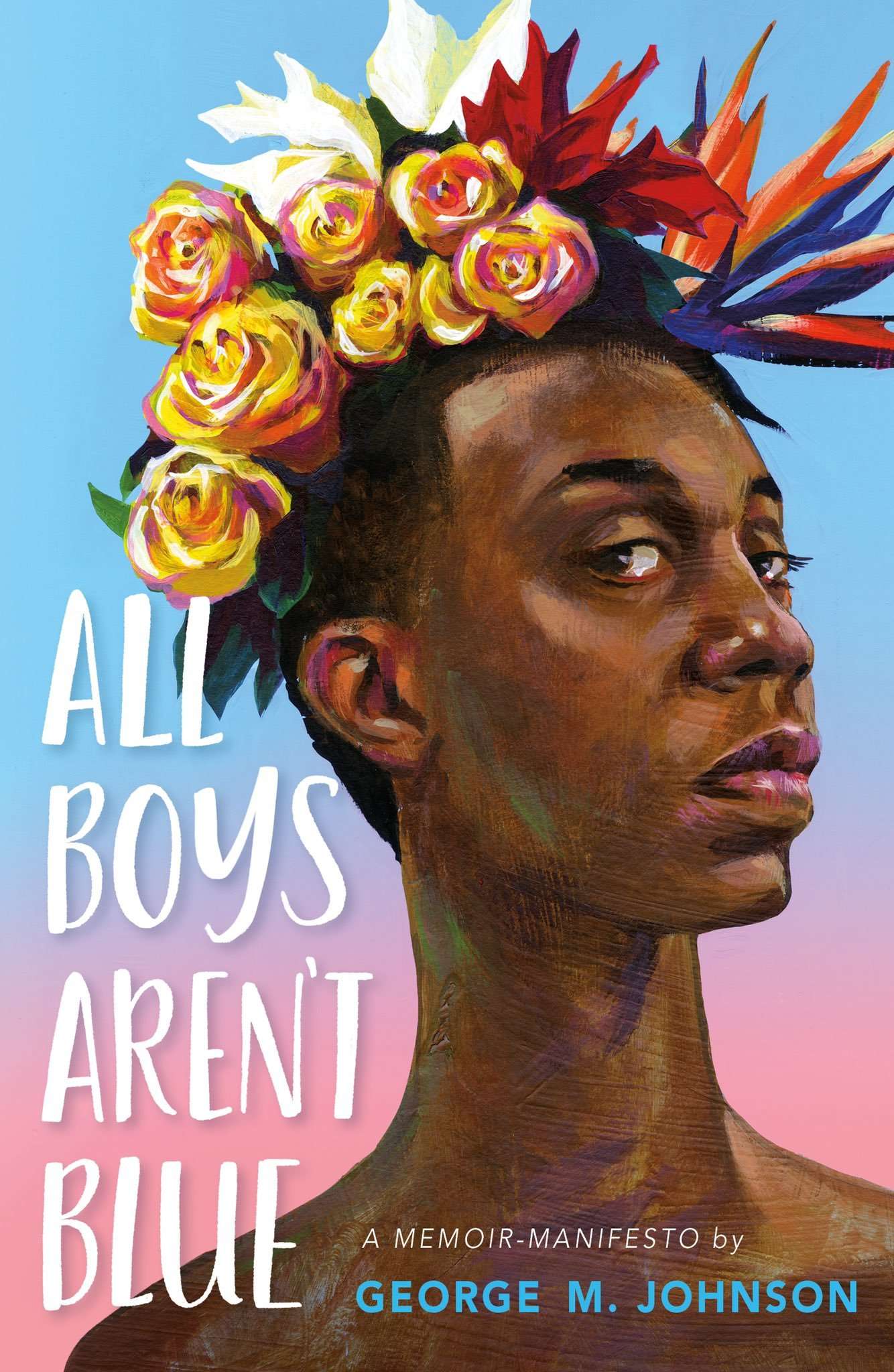
All Boys Aren’t Blue
When we explore our identities, finding stories that reflect our experiences can feel like a lifeline. George M. Johnson’s “All Boys Aren’t Blue” is that kind of book for many young Black queer people working through the intersection of race, gender, and sexuality in America.
A Memoir That Feels Like a Conversation
Johnson’s memoir-manifesto takes readers through his experiences growing up as a Black queer boy in New Jersey. Through a series of personal essays, he shares formative moments, from childhood bullying to finding community in college, with real candor. The storytelling feels intimate, like Johnson is sitting across from you, offering guidance he wishes he’d received growing up.
What makes this book stand out is how Johnson connects his personal experiences to bigger social questions. When he talks about joining a fraternity or working through family relationships, he shows how these spaces can both challenge and affirm queer identities. These reflections give real context for understanding the complicated pull between community belonging and personal authenticity.
Honest Conversations About Bodies and Boundaries
Johnson doesn’t shy away from difficult topics, including sexual experiences and assault. His frank discussions about consent, pleasure, and safety fill real gaps in sex education, especially for queer youth. These passages may be challenging for some readers but offer insights you rarely find in mainstream literature.
The book’s approach to discussing first sexual experiences gives language and frameworks that many readers may find helpful when reflecting on their own boundaries and desires. Johnson’s emphasis on communication and consent offers practical guidance without being prescriptive.
Finding Your Own Path Through Reading
If you’re exploring questions about gender, sexuality, or racial identity, consider reading this book alongside therapy sessions. The essays can work as conversation starters about your own experiences with family acceptance, community belonging, or body autonomy.
For parents and allies, Johnson’s reflections on his family’s support offer a window into how acceptance shapes resilience. His grandmother’s unconditional love provides a powerful model for supporting young people through their identity exploration.
About George M. Johnson
As a journalist and LGBTQ+ activist, Johnson brings both personal experience and cultural analysis to his writing. His work has appeared in major publications including Teen Vogue and The Root, establishing him as an important voice in conversations about intersectionality. This memoir represents his first book-length work and has become one of the most challenged books in American libraries, a testament to both its impact and the ongoing resistance to queer narratives in youth literature. Applications in Queer-Affirming Therapy
Johnson’s memoir is especially useful material for queer-affirming therapeutic work. His narrative gives clinicians and clients real language to discuss the complexity of coming to terms with your sexuality in environments that aren’t always supportive.
In therapy, Johnson’s accounts of internalized homophobia and his path toward self-acceptance can normalize the non-linear nature of identity development. His descriptions of finding community and chosen family show the importance of connection in building resilience, something central to queer-affirming therapeutic approaches. Therapists might draw from specific essays when helping clients explore their own stories around belonging, authenticity, and self-worth.
The memoir also gets into intersectionality in ways that can deepen therapeutic conversations. Johnson’s experiences as both Black and queer highlight how different parts of identity interact, giving a framework for talking about how multiple marginalized identities affect mental health and social experiences. For queer clients of color, seeing these intersections acknowledged can validate experiences that often go unaddressed when therapy only focuses on one aspect of who you are.
For therapists working with adolescents and young adults questioning their sexuality, Johnson’s reflections on early attractions and confusion offer compassionate entry points to discuss similar feelings. His emphasis on finding your own timeline for coming out pushes back against prescriptive approaches to identity development, supporting a more client-centered process.
Beyond This Book
For those seeking additional perspectives on Black LGBTQ+ experiences, consider “Fairest” by Meredith Talusan, “Felix Ever After” by Kacen Callender, or the classic “Giovanni’s Room” by James Baldwin. Each offers its own take on the intersections of race, gender, and sexuality across different eras and experiences.